

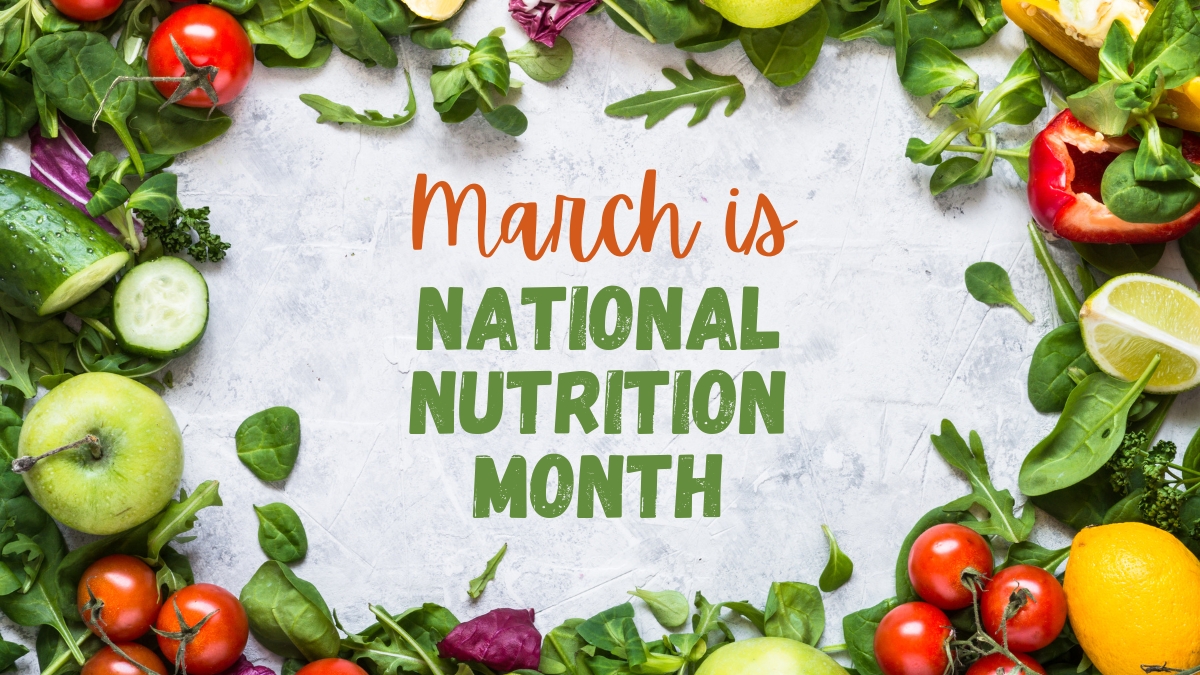
Embark on a journey to revamp your family's meal plan this March with National Nutrition Month at the helm. Discover the importance of healthy eating habits, creative meal planning tips, and ways to involve your kids in the process. Get ready to transform your family's approach to nutrition!
Exploring the significance of National Nutrition Month and how it can benefit your family will set the stage for a month of nutritious meals and healthy habits.
Importance of National Nutrition Month
National Nutrition Month is a crucial time for families to focus on improving their eating habits and overall health. It serves as a reminder to prioritize nutrition and make positive changes to our diet and lifestyle.
Significance of Promoting Healthy Eating Habits
- Healthy eating habits can reduce the risk of chronic diseases such as obesity, diabetes, and heart disease.
- Promoting nutritious meals can improve energy levels, mood, and overall well-being for the entire family.
- Developing good eating habits early on can set children up for a lifetime of healthy choices and lower health risks.
Benefits of Participating in National Nutrition Month Activities
- Engaging in activities promotes awareness and education about the importance of nutrition and healthy eating.
- It encourages families to try new recipes, explore different foods, and experiment with healthier options.
- Participation can create a sense of community and support for families looking to make positive changes together.
Creating a Healthy Meal Plan
When designing a meal plan for your family, it's important to focus on balance and variety to ensure everyone gets the nutrients they need.
Including a Variety of Nutrients
One key aspect of a healthy meal plan is including a wide range of nutrients to support overall health and well-being.
- Make sure to incorporate fruits, vegetables, whole grains, lean proteins, and healthy fats into your meals.
- Include a variety of colors on your plate to ensure you're getting a diverse range of vitamins and minerals.
- Don't forget about hydration - water is essential for good health and should be included as part of your meal plan.
Making Meal Planning Fun
Meal planning doesn't have to be a chore - get the whole family involved and make it a fun and engaging activity.
- Try themed nights where you cook meals from different cultures or cuisines.
- Get creative with meal prep by involving kids in choosing recipes and helping with cooking tasks.
- Consider starting a family cooking challenge where each member gets to choose a recipe to try each week.
Incorporating Seasonal and Local Produce
When it comes to transforming your family’s meal plan this March, one important aspect to consider is incorporating seasonal and local produce. Not only does it bring freshness and flavor to your dishes, but it also offers numerous health benefits while supporting local farmers and the environment.
Benefits of Using Seasonal and Local Produce
- Seasonal produce is harvested at its peak ripeness, ensuring maximum nutritional value and flavor in your meals.
- Local produce travels a shorter distance to reach your plate, reducing carbon footprint and supporting sustainability.
- By purchasing local fruits and vegetables, you are supporting small-scale farmers in your community, contributing to the local economy.
Nutritious Recipes Using Seasonal Ingredients
- Spring Salad with Strawberries and Spinach: Combine fresh strawberries, baby spinach, walnuts, and feta cheese with a balsamic vinaigrette for a light and refreshing meal.
- Summer Veggie Stir-Fry: Stir-fry a mix of zucchini, bell peppers, snap peas, and cherry tomatoes with a splash of soy sauce and garlic for a colorful and nutritious dish.
- Autumn Butternut Squash Soup: Roast butternut squash with onions, carrots, and apples, then blend with vegetable broth and warm spices like cinnamon and nutmeg for a cozy seasonal soup.
- Winter Citrus Salad: Mix segments of oranges, grapefruits, and blood oranges with arugula, avocado, and a citrus vinaigrette for a vitamin C-packed salad.
Supporting Local Farmers and the Environment
When you choose to buy seasonal and local produce, you are not only benefiting your family's health but also making a positive impact on the environment and local community. By supporting local farmers, you help preserve farmland, reduce the use of pesticides, and promote biodiversity in your region. Additionally, buying locally grown food reduces the carbon footprint associated with transportation, leading to a more sustainable food system.
Meal Prepping and Batch Cooking
 Meal prepping and batch cooking can be game-changers for busy families looking to save time and make healthier food choices throughout the week
Advantages of Meal Prepping and Batch Cooking
- Save time: Spend a few hours on the weekend prepping meals for the week, and save time during busy weekdays.
- Reduce stress: Eliminate the need to figure out what to cook each day by having meals ready to go.
- Control portions: By prepping meals in advance, you can ensure that you are eating the right portion sizes.
- Save money: Avoid last-minute takeout or dining out by having homemade meals on hand.
Practical Meal Prepping Tips
- Plan ahead: Create a meal plan for the week and make a shopping list to ensure you have all the ingredients you need.
- Use quality containers: Invest in good storage containers that are easy to stack and store in the fridge or freezer.
- Cook in batches: Prepare large quantities of food that can be portioned out for multiple meals throughout the week.
- Label and date: Clearly label your meals with the date they were prepared to keep track of freshness.
How Meal Prepping Helps with Healthier Choices
- Reduce temptation: Having healthy meals ready to go can prevent you from reaching for less nutritious options in a pinch.
- Control ingredients: By preparing your meals, you have control over the quality and type of ingredients used.
- Balanced meals: Plan balanced meals in advance to ensure you are getting a variety of nutrients throughout the week.
- Portion control: Pre-portioned meals can help prevent overeating and encourage mindful eating habits.
Getting Kids Involved in Meal Planning
Teaching kids about nutrition and involving them in meal planning can have a positive impact on their overall health and well-being. It's essential to instill healthy eating habits from a young age to set them up for a lifetime of good choices.Importance of Teaching Kids About Nutrition
It's crucial to educate children about nutrition so they understand the importance of eating a balanced diet. By involving them in meal planning, they can learn about the different food groups and how to make healthy choices.
Strategies for Getting Children Involved
- Let them choose a meal: Allow kids to pick a meal they would like to help prepare. This gives them a sense of ownership and encourages them to try new foods.
- Take them grocery shopping: Bring your kids along to the grocery store and involve them in selecting fruits, vegetables, and other ingredients. This can teach them about where food comes from and how to make healthy choices.
- Assign age-appropriate tasks: Depending on their age, give children tasks like washing vegetables, stirring ingredients, or setting the table. This helps build their confidence in the kitchen.
Making Meal Planning a Family Activity
Meal planning can be turned into a fun family activity that children enjoy. Consider creating themed nights, such as Taco Tuesday or Pasta Night, where everyone gets involved in preparing the meal. You can also organize cooking competitions or challenges to make it more exciting for kids.
Summary
As we wrap up our discussion on National Nutrition Month, remember that small changes in meal planning can lead to big health benefits for your family. By incorporating seasonal produce, involving your kids, and embracing meal prepping, you're on your way to a healthier lifestyle. Cheers to a month of delicious and nutritious meals!
Questions Often Asked
How can my family benefit from participating in National Nutrition Month activities?
Participating in activities during National Nutrition Month can help your family develop healthier eating habits, learn about nutrition, and bond over preparing meals together.
Why is it important to include a variety of nutrients in meal planning?
Including a variety of nutrients ensures that your family gets all the essential vitamins and minerals needed for optimal health and well-being.
How can seasonal produce benefit both my family and the environment?
Using seasonal produce supports local farmers, reduces the carbon footprint of food transportation, and provides your family with fresher and more nutritious ingredients.
What are some strategies for getting kids involved in meal planning?
You can involve kids by letting them choose recipes, go grocery shopping with you, or even help in the kitchen with age-appropriate tasks. Making it fun and interactive can encourage their interest in nutrition.

