

With National Nutrition Month: Expert Tips from Registered Dietitians at the forefront, this paragraph opens a window to an amazing start and intrigue, inviting readers to embark on a storytelling filled with unexpected twists and insights.
The content of the second paragraph that provides descriptive and clear information about the topic
Importance of National Nutrition Month
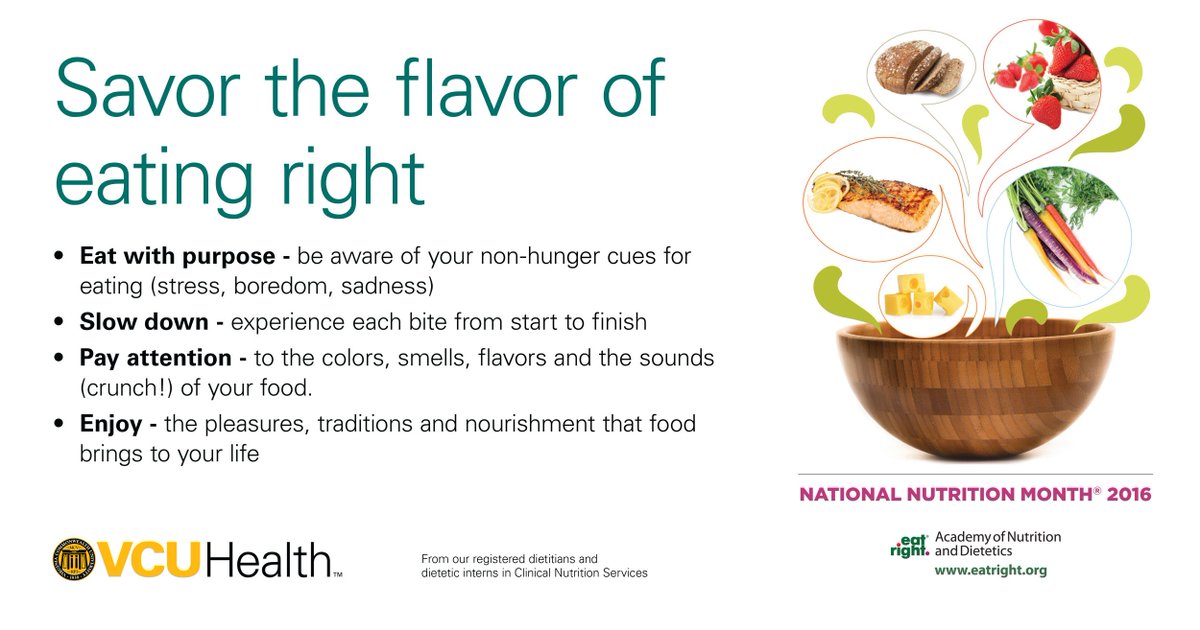 National Nutrition Month holds significant importance in promoting healthy eating habits and overall well-being. This month-long campaign aims to raise awareness about the crucial role nutrition plays in maintaining good health and preventing various diseases. Registered Dietitians play a pivotal role during National Nutrition Month by providing expert guidance, resources, and support to help individuals make informed choices about their diet and lifestyle.
Role of National Nutrition Month
National Nutrition Month serves as a platform to educate the public on the importance of making healthy food choices, understanding nutritional labels, and adopting sustainable eating habits. This initiative encourages individuals to prioritize nutrition and make positive changes towards a healthier lifestyle. Through various activities, events, and campaigns, National Nutrition Month empowers people to take charge of their health and well-being by making informed decisions when it comes to food and nutrition.Importance of Registered Dietitians
Registered Dietitians play a crucial role during National Nutrition Month by offering evidence-based nutrition advice, personalized meal plans, and strategies to help individuals achieve their health goals. These professionals are equipped with the knowledge and expertise to guide individuals towards making sustainable dietary changes that support overall health and well-being. By collaborating with Registered Dietitians, individuals can receive tailored nutrition recommendations and support to optimize their health outcomes.Expert Tips for Healthy Eating
Registered Dietitians offer valuable insights on creating balanced meals, incorporating more fruits and vegetables, and emphasizing the significance of hydration in our daily diet.Creating Balanced Meals
- Include a variety of food groups in each meal to ensure you're getting a wide range of nutrients.
- Opt for whole grains, lean proteins, healthy fats, and plenty of fruits and vegetables.
- Pay attention to portion sizes to avoid overeating and maintain a healthy weight.
- Try to limit processed foods and opt for homemade meals whenever possible.
Incorporating More Fruits and Vegetables
- Start your day with a smoothie packed with different fruits and leafy greens.
- Add vegetables to your sandwiches, wraps, and salads for extra nutrients and flavor.
- Snack on fresh fruits or cut-up veggies throughout the day to increase your intake.
- Experiment with new recipes that feature fruits and vegetables as the main ingredients.
Importance of Hydration
- Drink water throughout the day to stay hydrated and maintain proper bodily functions.
- Aim to drink at least 8 cups of water daily, more if you are active or in hot weather.
- Infuse your water with fruits or herbs to add flavor and encourage increased consumption.
- Limit sugary drinks and opt for water as your primary source of hydration.
Nutritional Education and Awareness
Nutritional education plays a crucial role in promoting healthy eating habits and preventing chronic diseases. By raising awareness about the importance of nutrition, individuals can make informed choices that positively impact their overall health and well-being.Ways to Educate the Community
- Organize nutrition workshops and seminars in local communities to provide practical tips and information on healthy eating.
- Collaborate with schools to implement nutrition education programs for students, parents, and teachers.
- Utilize social media platforms to share educational content, recipes, and nutritional tips with a wider audience.
Impact of Nutritional Awareness on Chronic Diseases
Nutritional awareness can significantly reduce the risk of chronic diseases such as obesity, diabetes, and heart disease. By making better food choices and understanding the importance of a balanced diet, individuals can better manage their health and prevent long-term health complications.Examples of Educational Initiatives
Healthy Eating Plate: An educational tool developed by nutrition experts to guide individuals on building a healthy and balanced meal.
- Community Gardens: Initiatives that promote growing fresh produce locally and educate individuals on the benefits of consuming fresh fruits and vegetables.
- Nutrition Label Reading Workshops: Sessions that teach participants how to read and interpret food labels to make informed decisions while grocery shopping.
Food Choices and Meal Planning
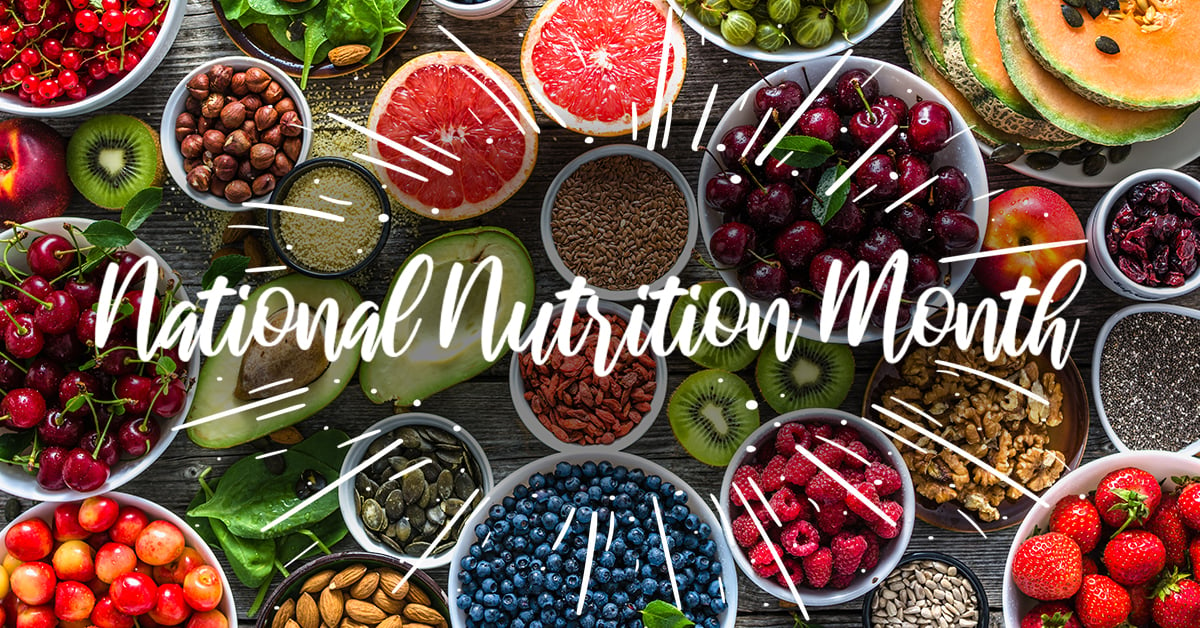 Making healthier food choices and planning balanced meals are crucial aspects of maintaining a nutritious diet. Here are some expert tips to help you navigate grocery shopping, meal planning, portion control, and mindful eating habits.
How to Make Healthier Food Choices When Grocery Shopping
- Start by creating a shopping list based on a balanced meal plan for the week.
- Avoid shopping on an empty stomach to prevent impulse buys of unhealthy snacks.
- Read food labels and opt for products with minimal ingredients and low added sugars and unhealthy fats.
- Choose a variety of colorful fruits and vegetables to ensure a diverse nutrient intake.
- Opt for whole grains, lean proteins, and healthy fats like nuts, seeds, and avocado.
Tips on Meal Planning for a Balanced and Nutritious Diet
- Set aside time each week to plan your meals and snacks ahead of time.
- Include a balance of carbohydrates, proteins, fats, and fiber in each meal.
- Prepare meals in advance to avoid relying on unhealthy convenience foods.
- Experiment with new recipes and cooking methods to keep meals exciting and flavorful.
- Consider batch cooking and freezing portions for busy days to ensure you always have a nutritious option available.
The Importance of Portion Control and Mindful Eating Habits
- Avoid oversized portions by using smaller plates and bowls to help manage portion sizes.
- Eat slowly and savor each bite to allow your body to recognize feelings of fullness.
- Listen to your body's hunger and fullness cues to prevent overeating.
- Avoid distractions while eating, such as watching TV or scrolling on your phone, to focus on your meal and prevent mindless eating.
- Practice mindful eating by paying attention to the taste, texture, and aroma of your food to fully enjoy and appreciate each meal.
Ultimate Conclusion
The content of the concluding paragraph that provides a summary and last thoughts in an engaging manner
FAQ Guide
What is the significance of National Nutrition Month?
National Nutrition Month is important as it promotes healthy eating habits and raises awareness about the importance of nutrition in overall health. It also highlights the role of Registered Dietitians in guiding individuals towards better dietary choices.
How can I incorporate more fruits and vegetables into my daily diet?
You can incorporate more fruits and vegetables by including them in every meal, trying new recipes, and making them easily accessible for snacking.
What are some examples of educational initiatives during National Nutrition Month?
Educational initiatives during National Nutrition Month can include cooking classes, nutrition workshops, community health fairs, and online resources promoting healthy eating habits.

