

As Nutritional Myths Debunked During National Nutrition Month takes center stage, this opening passage beckons readers with casual formal language style into a world crafted with good knowledge, ensuring a reading experience that is both absorbing and distinctly original.
National Nutrition Month is an important time dedicated to raising awareness about the significance of good nutrition. This month-long initiative provides a platform to debunk common myths surrounding nutrition and promote healthy eating habits. Let's delve into the world of nutrition and uncover the truths behind prevalent misconceptions.
Introduction to National Nutrition Month
National Nutrition Month is a campaign created annually in March by the Academy of Nutrition and Dietetics. It aims to educate and raise awareness about the importance of making informed food choices and developing healthy eating and physical activity habits.History of National Nutrition Month
National Nutrition Month was first celebrated in 1973 as National Nutrition Week. It later expanded to a month-long observance in response to the growing public interest in nutrition. The campaign has since become a tradition to promote good nutrition and healthy living.Main Objectives of National Nutrition Month
- Encourage individuals to make informed food choices and develop sound eating habits
- Promote the importance of physical fitness and regular exercise
- Highlight the role of registered dietitians and nutrition professionals in providing reliable nutrition information
- Foster a community-wide commitment to healthy eating and overall well-being
Common Nutritional Myths
There are several prevalent myths related to nutrition that can impact people's dietary choices. These myths can lead to confusion and misinformation about what constitutes a healthy diet.
Myth: Carbs are bad for you
One common myth is that carbohydrates are inherently bad for your health. While it is true that some carbs, such as refined sugars, can be detrimental in excess, not all carbs are created equal. Complex carbohydrates like whole grains, fruits, and vegetables are essential for providing energy and nutrients to the body.
Myth: Eating fat makes you fat
Another widely believed myth is that eating fat will automatically lead to weight gain. In reality, healthy fats are crucial for proper bodily functions and can actually aid in weight loss when consumed in moderation. It's important to distinguish between good fats (like those found in avocados and nuts) and unhealthy fats (such as trans fats found in processed foods).
Myth: Skipping meals helps you lose weight
Many people believe that skipping meals is an effective way to shed pounds. However, skipping meals can actually slow down your metabolism and lead to overeating later on. It's important to fuel your body with nutritious meals throughout the day to maintain a healthy weight.
Debunking Nutritional Myths
It is crucial to debunk nutritional myths as they can lead to misinformation, unhealthy eating habits, and confusion among individuals seeking to improve their diet and overall health. By providing evidence-based facts and dispelling these myths, we can help people make informed decisions about their nutrition and well-being.Myth: Carbs are bad for you
Carbohydrates are often demonized in popular culture, but the truth is that they are an essential part of a balanced diet. Carbs provide energy for our bodies and are found in healthy foods like fruits, vegetables, and whole grains. It's important to distinguish between simple carbs (sugary snacks) and complex carbs (nutrient-rich foods) for optimal health.
Myth: Skipping meals helps with weight loss
Skipping meals can actually have negative effects on your metabolism and overall health. It's important to eat regular, balanced meals to fuel your body properly and maintain a healthy weight. Crash diets or extreme calorie restriction are not sustainable or beneficial in the long run.
Myth: All fats are unhealthy
Not all fats are created equal - while trans fats and saturated fats should be limited, healthy fats like those found in avocados, nuts, and olive oil are essential for brain function and overall well-being. It's important to include these fats in moderation as part of a balanced diet.
Healthy Eating Tips
 Eating a balanced diet is essential for overall health and well-being. It is important to include a variety of nutrients in your meals to ensure you are meeting your body's needs.
Key Principles of a Balanced Diet
- Include a variety of fruits, vegetables, whole grains, and lean proteins in your meals.
- Aim for portion control to avoid overeating and maintain a healthy weight.
- Limit the intake of processed foods high in added sugars, salt, and unhealthy fats.
- Stay hydrated by drinking an adequate amount of water throughout the day.
Incorporating More Fruits and Vegetables
- Fill half your plate with colorful fruits and vegetables at each meal.
- Snack on fresh fruits or cut-up veggies for a nutritious and satisfying option.
- Add fruits and vegetables to smoothies, salads, and stir-fries for extra nutrients.
Nutrient-Dense Foods for a Healthy Diet
- Include foods like leafy greens, berries, nuts, seeds, and lean proteins for a nutrient-packed meal.
- Opt for whole grains such as quinoa, brown rice, and oats for fiber and essential nutrients.
- Incorporate sources of healthy fats like avocados, olive oil, and fatty fish into your diet.
Importance of Nutrition Education
Nutrition education plays a crucial role in dispelling myths and promoting accurate information about food and health.
Role of Nutrition Education in Dispelling Myths
Nutrition education provides individuals with the knowledge and skills needed to differentiate between fact and fiction when it comes to dietary information. By understanding the principles of nutrition, people can better assess the validity of popular myths and make informed decisions about their diet.
Impact of Nutrition Knowledge on Overall Health
Having a solid foundation in nutrition knowledge can have a significant impact on overall health. By learning about the importance of balanced nutrition, individuals are more likely to make healthier food choices, leading to better physical and mental well-being.
Ways to Promote Nutrition Education in Communities
- Integrating nutrition education into school curriculums to educate children from a young age.
- Offering workshops, seminars, and cooking classes focused on nutrition in community centers or workplaces.
- Collaborating with healthcare professionals to provide accurate nutrition information during medical consultations.
- Utilizing social media and online platforms to share evidence-based nutrition tips and debunk common myths.
- Encouraging partnerships between local governments, businesses, and non-profit organizations to support nutrition education initiatives.
Myth vs. Reality Infographics
Infographics are visual representations of information or data that are designed to make complex concepts easier to understand. When it comes to nutrition, myth vs. reality infographics are used to debunk common misconceptions about food and health by presenting the truth in a visually engaging way.Examples of Common Nutrition Myths Depicted in Infographics
- Myth: Carbs are bad for you and should be avoided.
- Reality: Carbohydrates are an essential source of energy for the body and should be included in a balanced diet.
- Myth: Eating fat makes you fat.
- Reality: Healthy fats are important for brain function and overall health, and can be part of a well-rounded diet.
- Myth: You have to eat meat to get enough protein.
- Reality: Plant-based sources of protein like beans, lentils, and tofu can provide all the protein your body needs.
How Infographics Can Help Educate the Public
Infographics are effective tools for education because they simplify complex information and make it visually appealing. By presenting nutrition myths alongside the reality in a clear and engaging format, infographics can help people understand the importance of making informed food choices. They can also serve as quick references for debunking common misconceptions and promoting healthy eating habits.Summary
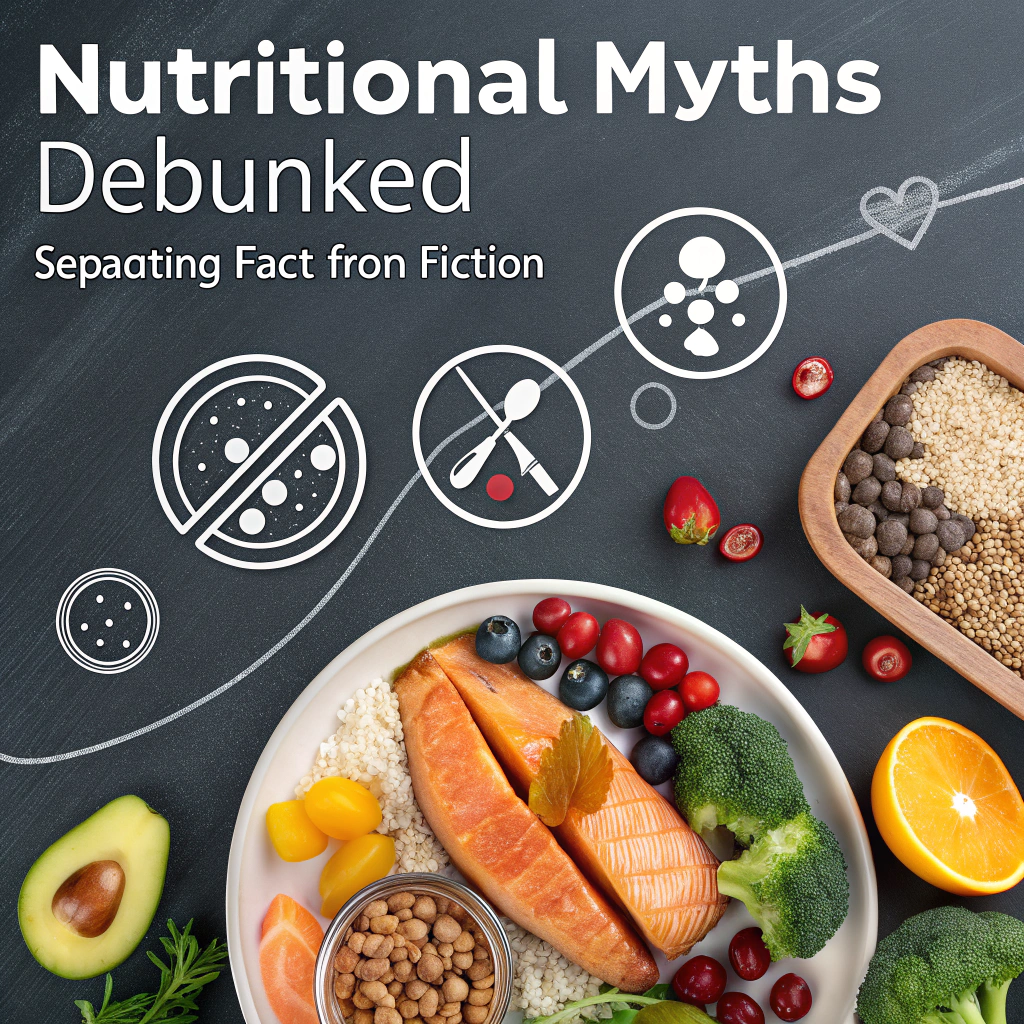
In conclusion, Nutritional Myths Debunked During National Nutrition Month sheds light on the misconceptions that often cloud our understanding of nutrition. By separating fact from fiction, we pave the way for a healthier society equipped with accurate knowledge about food and diet. Let's continue to educate ourselves and others to make informed choices for a better tomorrow.
Detailed FAQs
Are all nutrition myths harmful?
Not all nutrition myths are harmful, but some can lead to poor dietary choices or misconceptions about food. It's essential to distinguish between myths that are benign and those that can have a negative impact on health.
How can I identify a nutrition myth?
Look for evidence-based facts and scientific studies to validate claims about nutrition. Be wary of sensationalized information and always consult trusted sources for accurate information.
Why is nutrition education important during National Nutrition Month?
Nutrition education plays a crucial role in dispelling myths and promoting healthy eating habits. By providing accurate information, individuals can make informed choices that benefit their overall well-being.

